
Loading adventures...
Loading adventures...
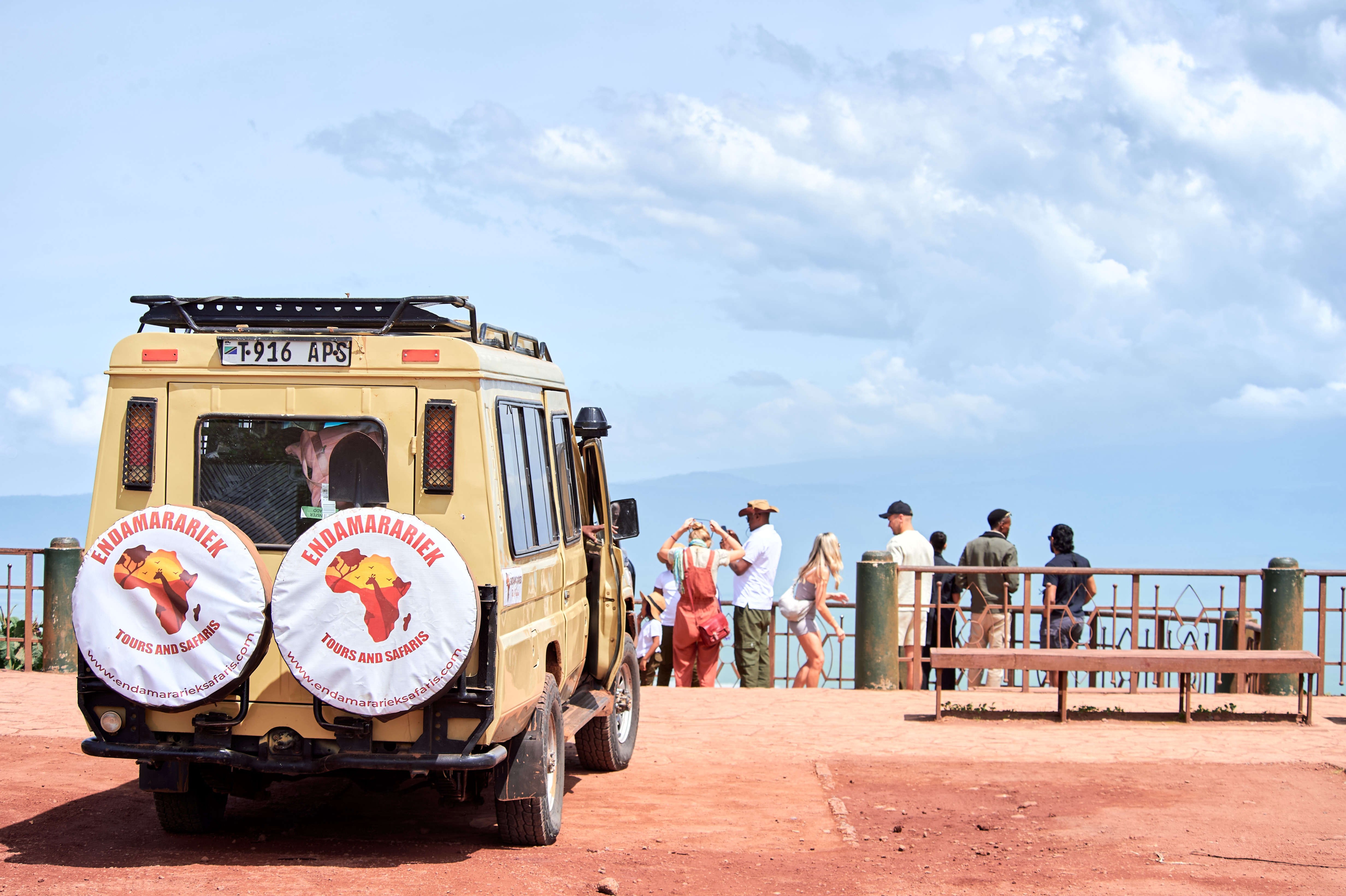
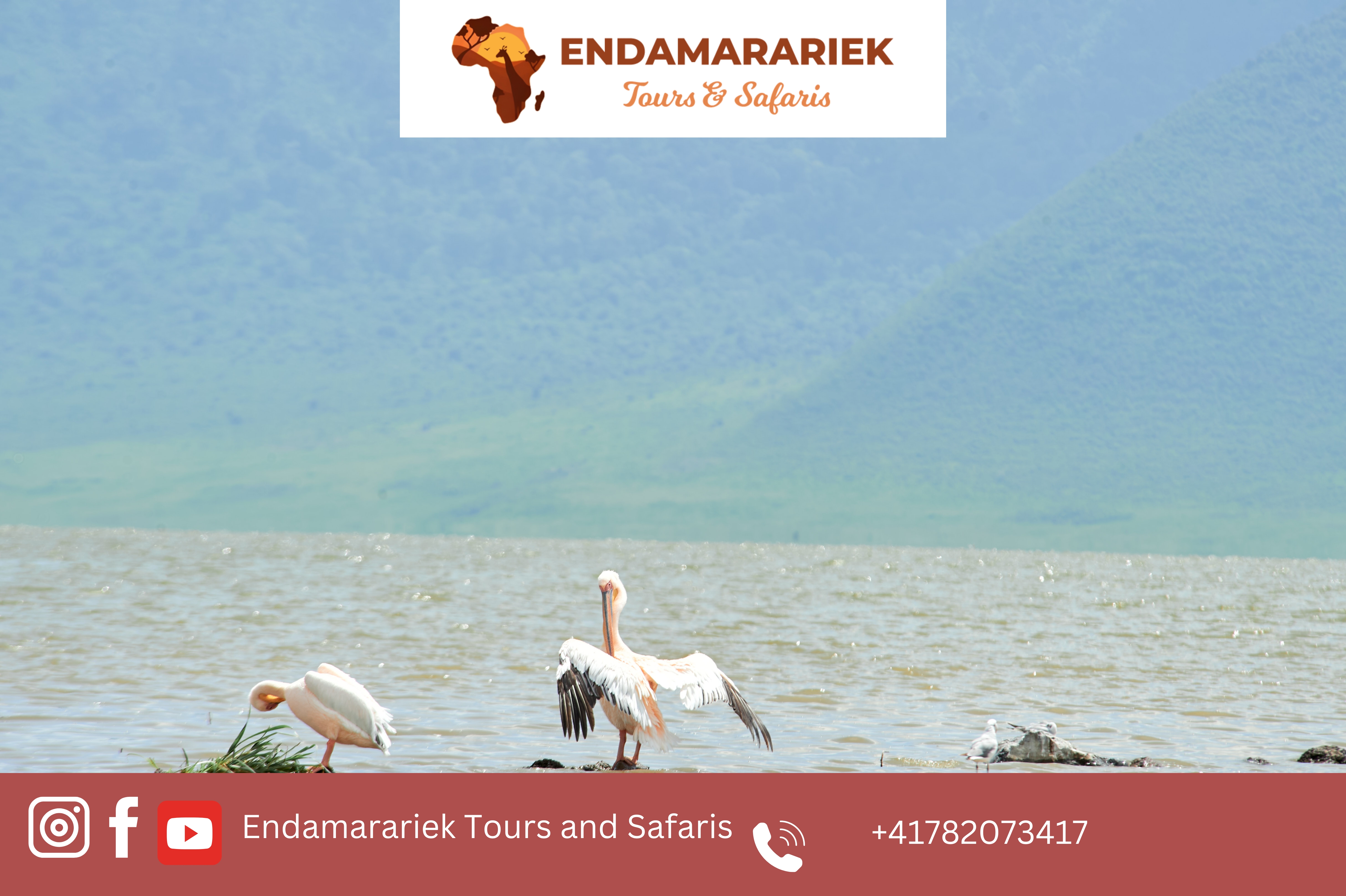
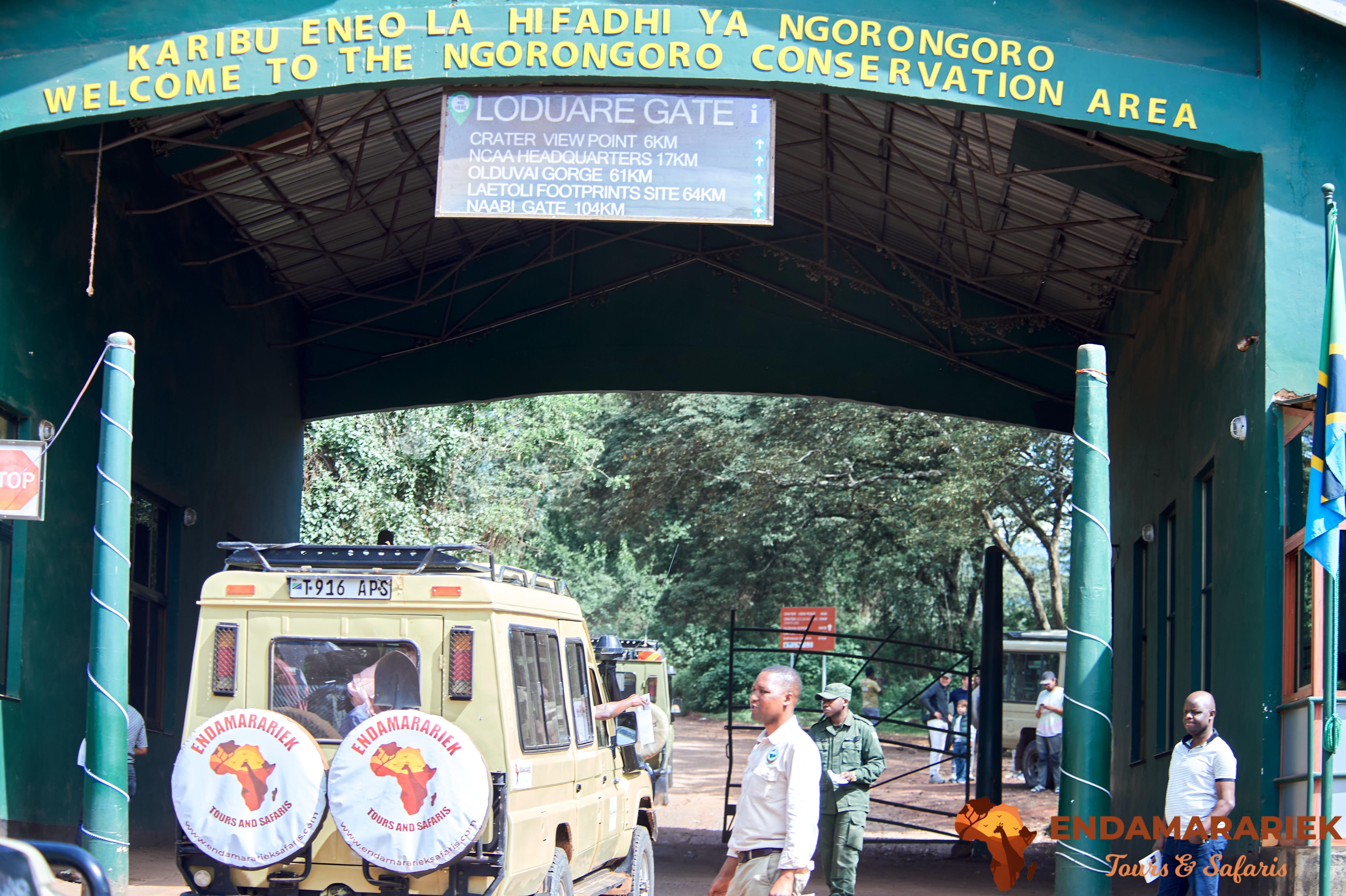
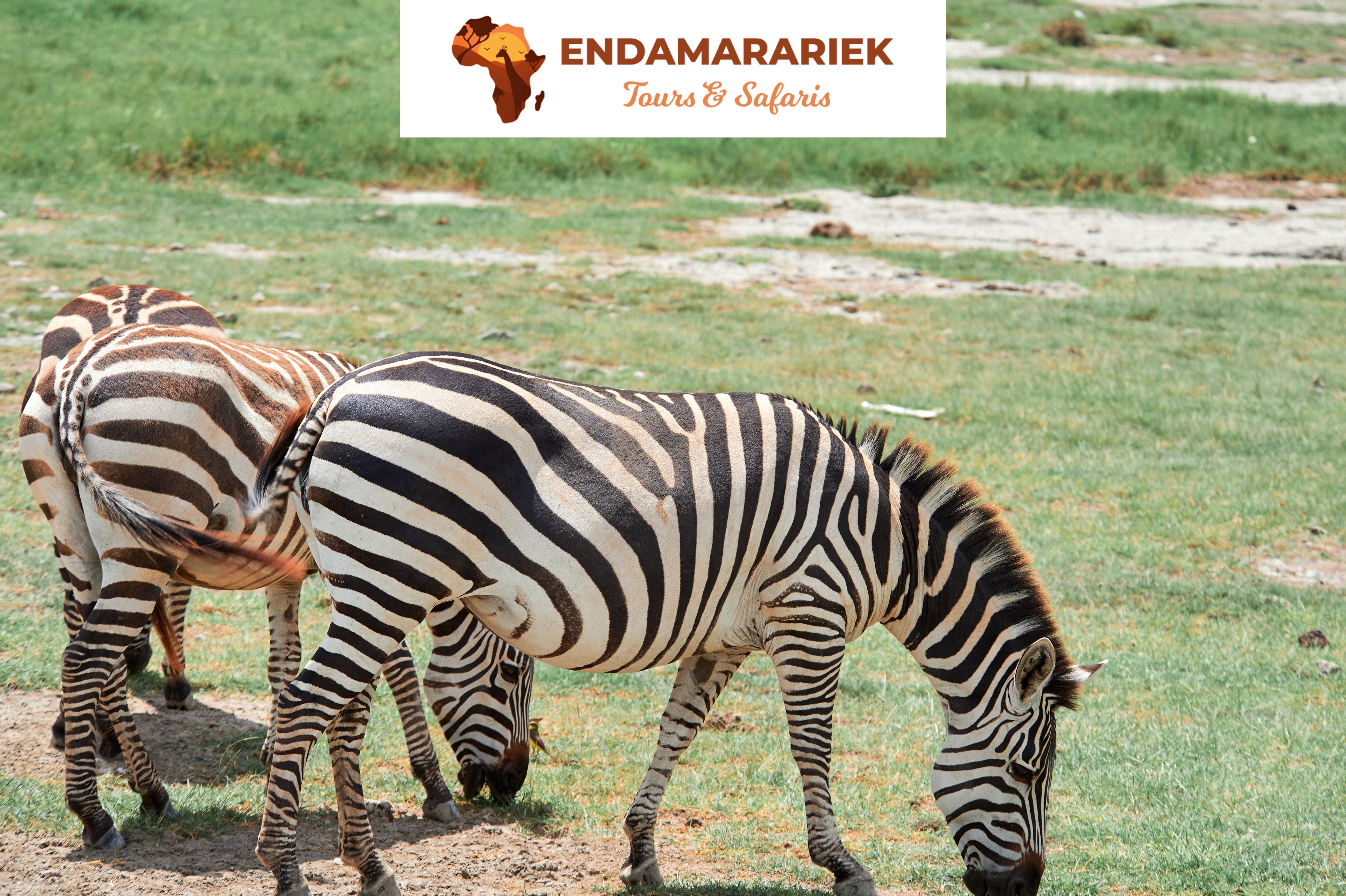
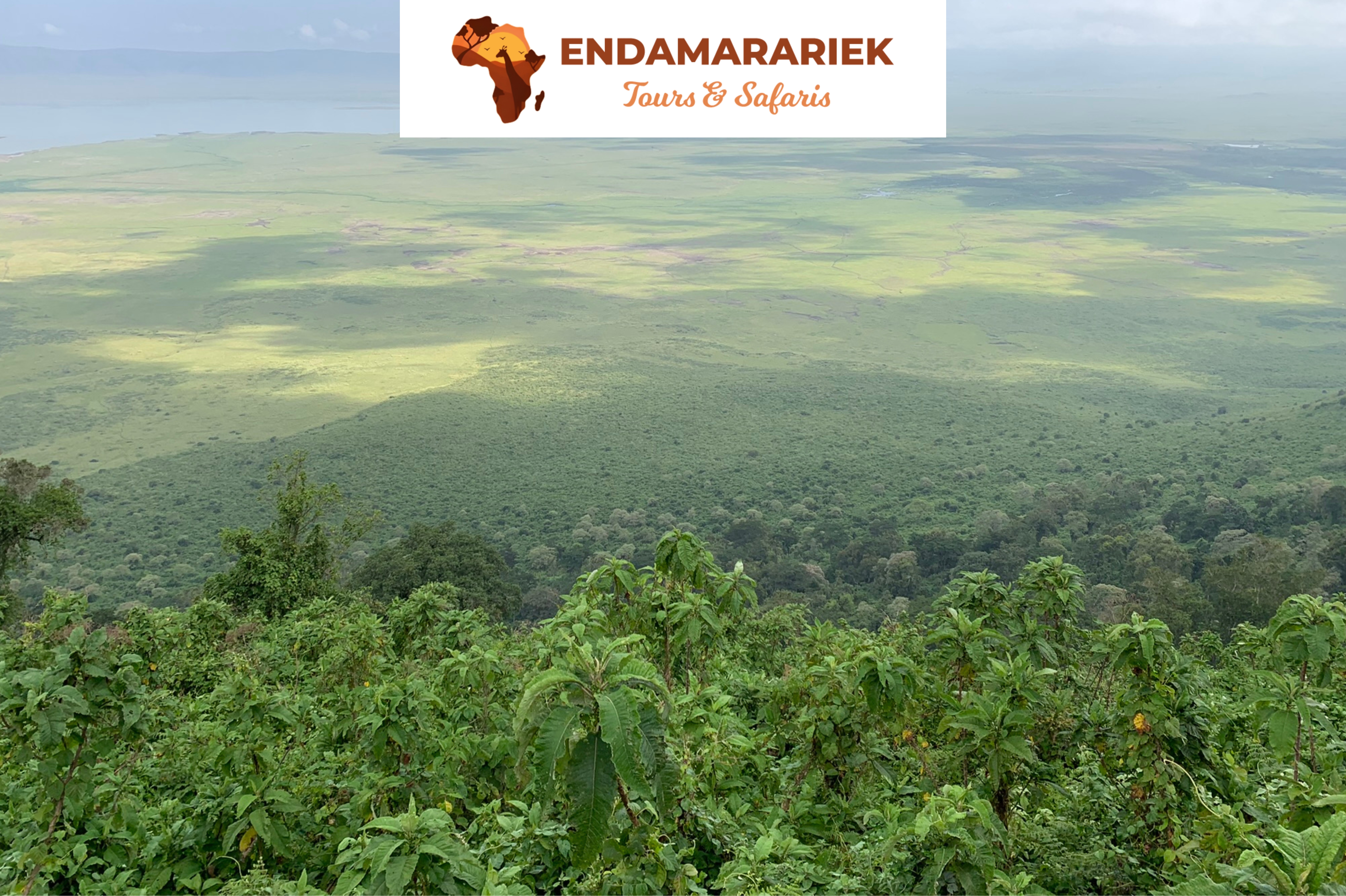
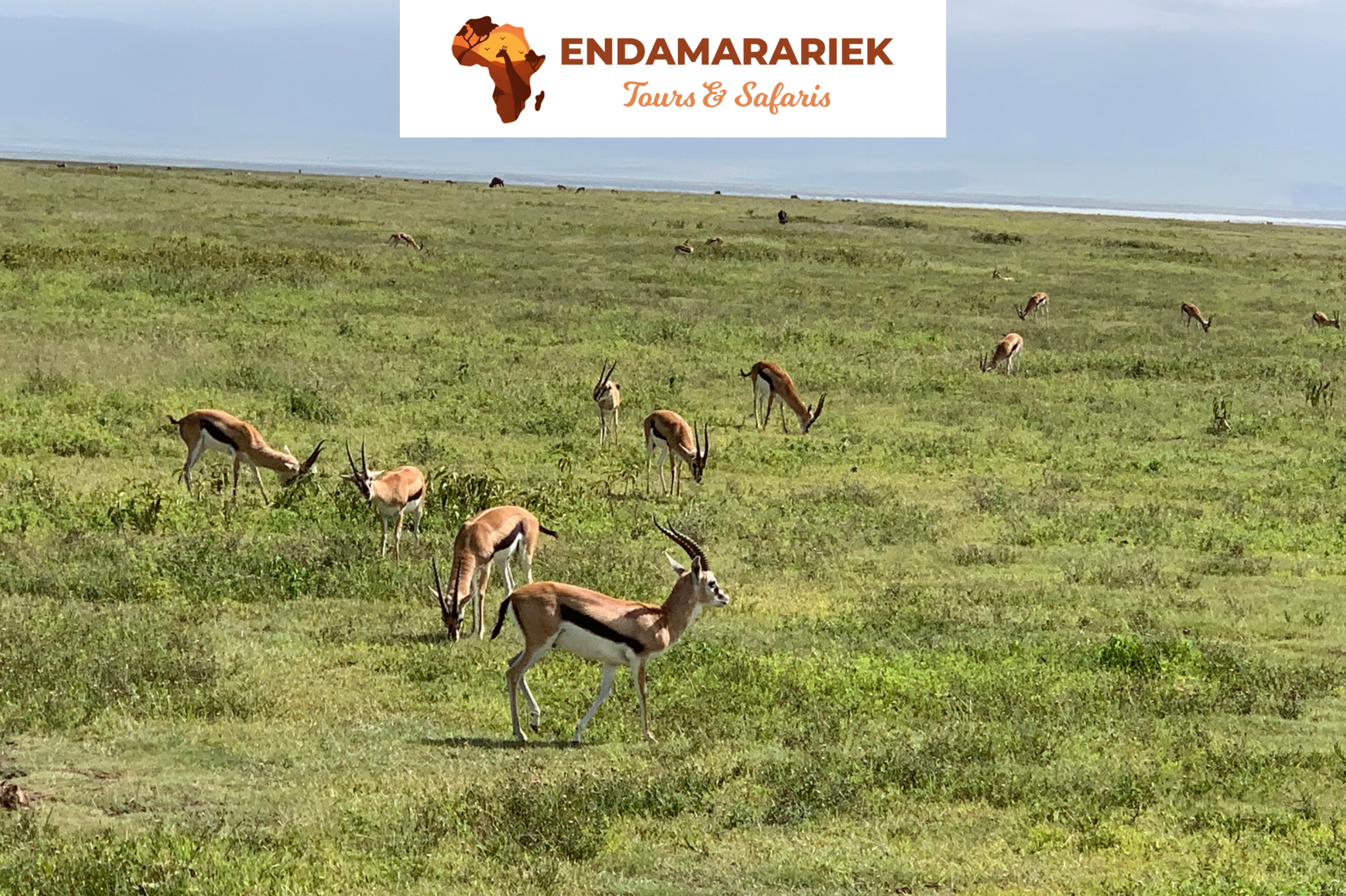
Ngorongoro National Park, often referred to as the 'Eighth Wonder of the World,' is a must-visit destination for any safari enthusiast. This UNESCO World Heritage Site is home to the stunning Ngorongoro Crater, a massive volcanic caldera that boasts a rich diversity of wildlife, including the elusive black rhino, lions, elephants, and countless other species. As you journey through the park’s lush forests, vast savannahs, and dramatic landscapes, you’ll experience the true essence of Tanzania’s natural beauty and witness wildlife in their most pristine habitats. A visit to Ngorongoro is more than just a safari – it's a once-in-a-lifetime adventure that will leave you with memories to last forever.
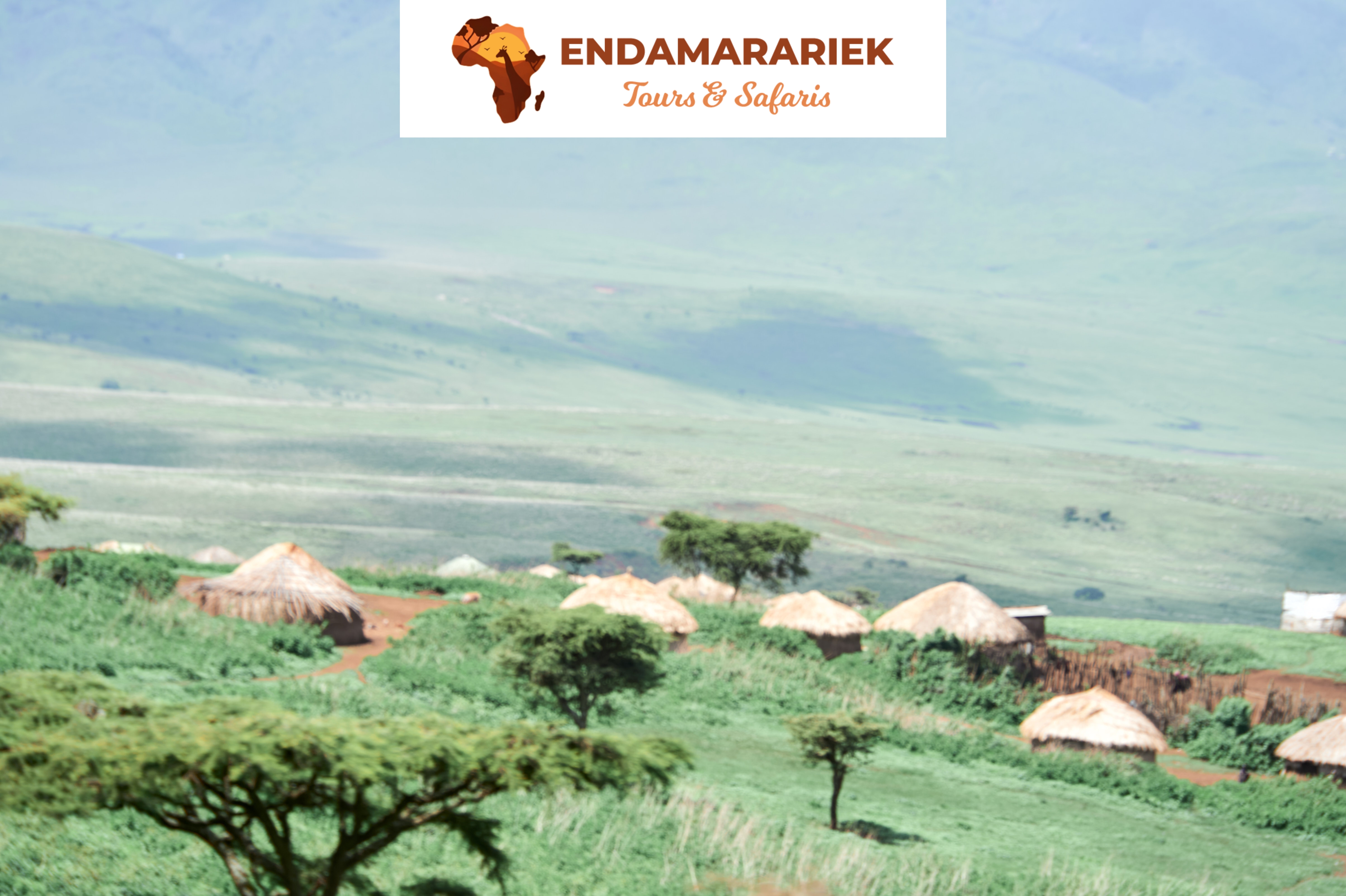
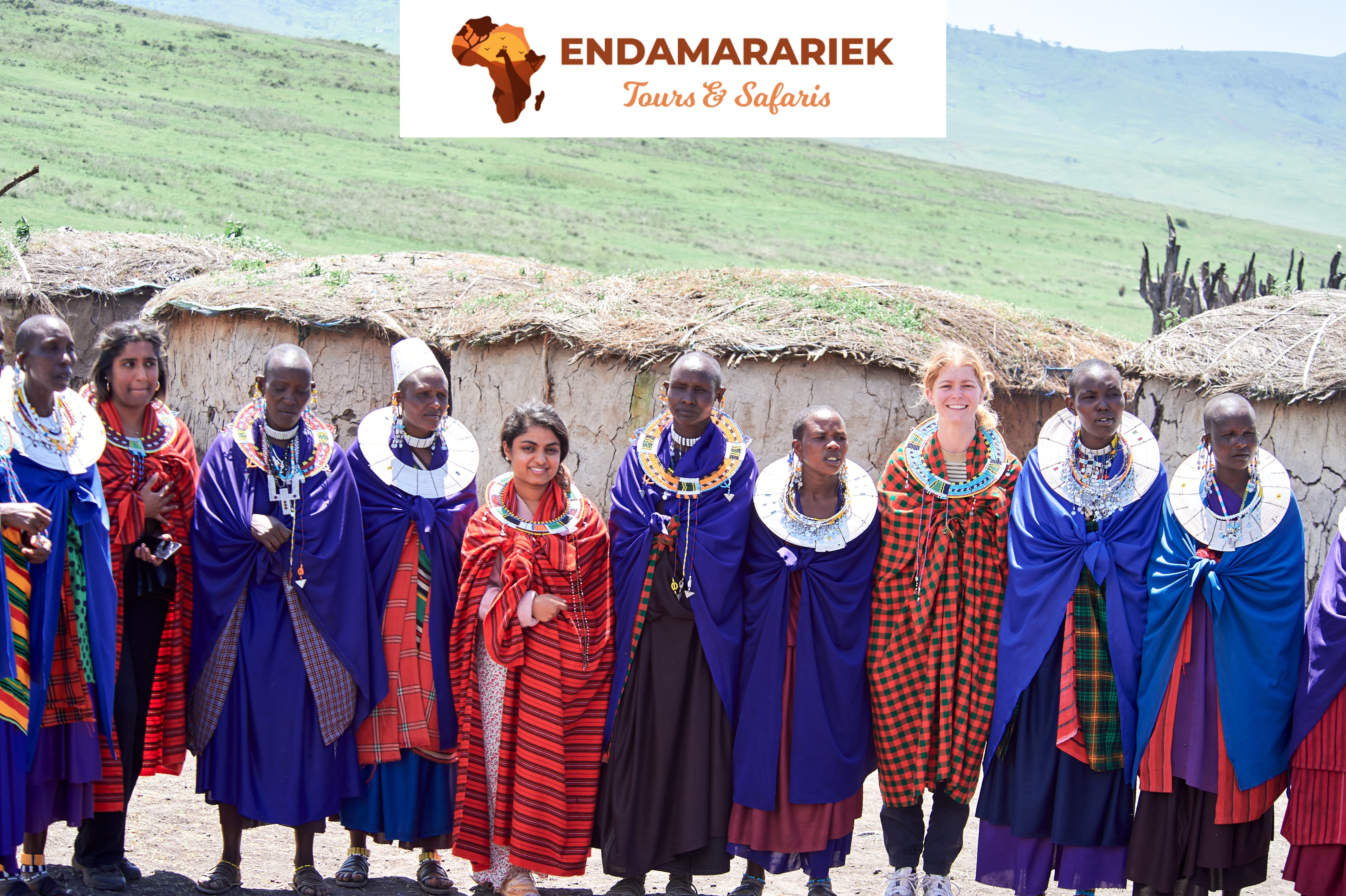
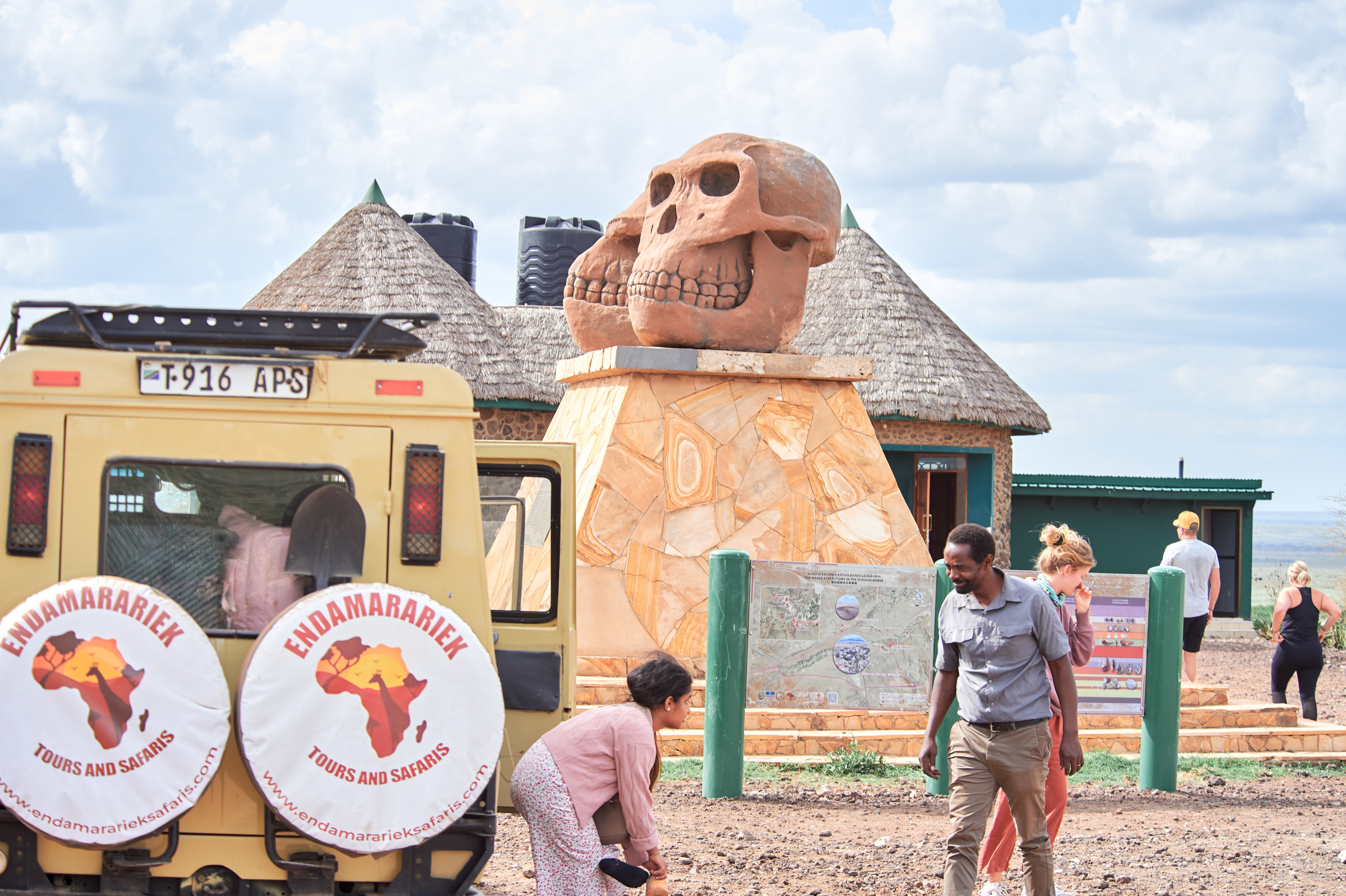
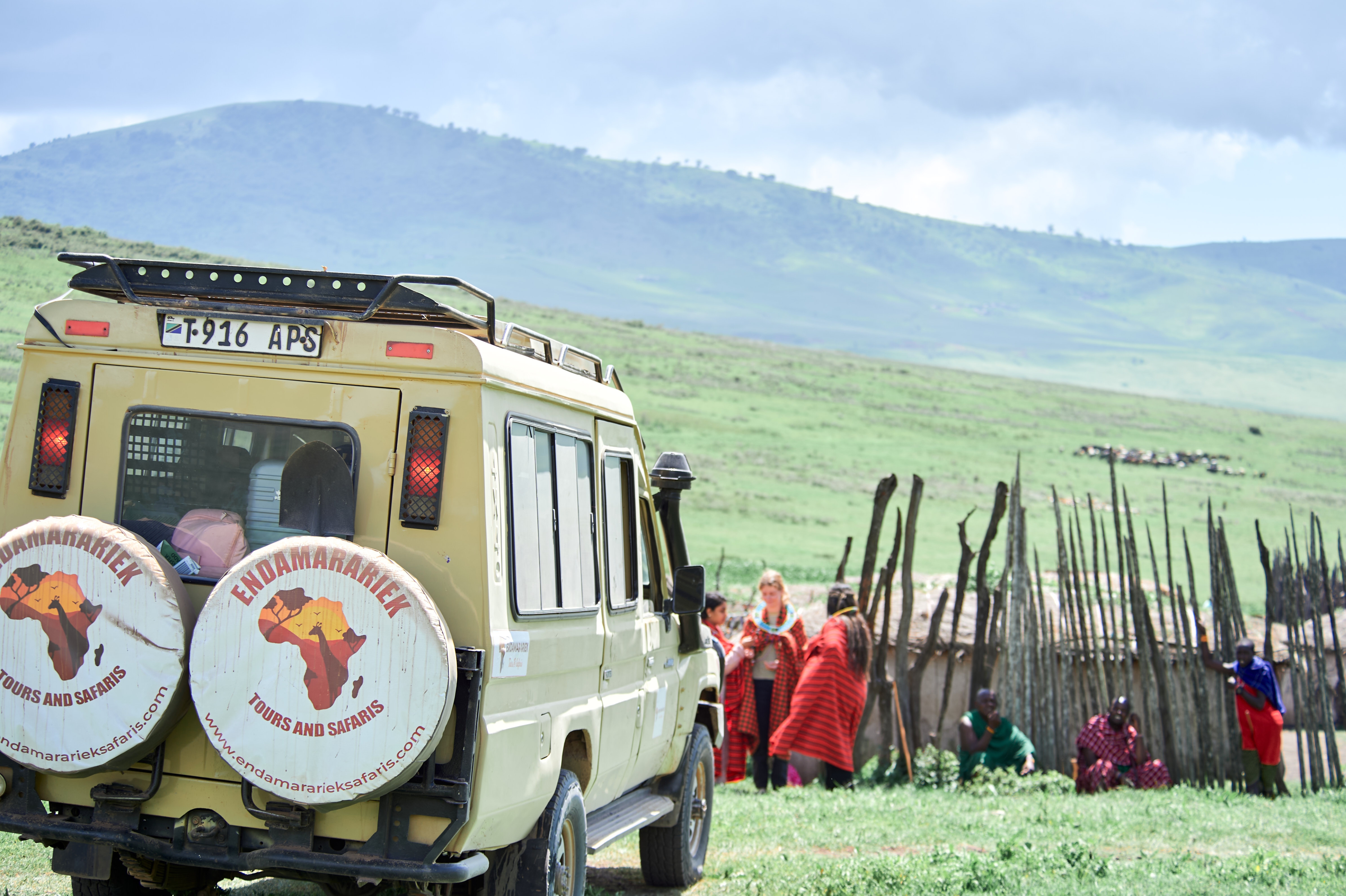
Ngorongoro National Park offers a wealth of unforgettable experiences for every type of traveler. Begin with an exhilarating game drive through the world-renowned Ngorongoro Crater, where you’ll encounter a rich array of wildlife, including the Big Five, in their natural habitat. Don’t miss the stunning views from the Crater rim, offering panoramic vistas of the caldera and surrounding landscapes, perfect for photography and reflection. Beyond the Crater, explore the diverse Ngorongoro Conservation Area, which is home to savannahs, dense forests, and Maasai villages, where you can immerse yourself in the local culture. History enthusiasts will love visiting the Olduvai Gorge, known as the “Cradle of Humankind,” while birdwatchers can enjoy spotting over 500 bird species, including flamingos and raptors. For a more personal connection to the land, engage with the Maasai people and learn about their traditions, or take a peaceful hike along the Crater Rim to soak in the serene beauty of the surroundings. Whether you're after wildlife, culture, or stunning landscapes, Ngorongoro National Park promises an adventure of a lifetime.
The best time to visit Ngorongoro National Park is during the dry season, from June to October, when wildlife is more concentrated around water sources, making it easier to spot animals. The weather is generally sunny and pleasant, with clear skies and less rainfall, making for ideal safari conditions. Additionally, this period coincides with the migration of wildebeest and zebras, particularly in the wider Serengeti ecosystem, which can be a fantastic add-on experience.
If you prefer to avoid the crowds and higher costs of the peak dry season, the shoulder months of December to February are also great for visiting, as the weather is still favorable, and wildlife sightings are plentiful. However, be prepared for a bit of rain.
The wet season (March to May), although less popular, offers its own charm, with lush green landscapes and fewer tourists. It’s also the best time for birdwatching, as migratory species flock to the park. However, some roads may be less accessible due to rain, so it’s ideal for those seeking a more secluded and tranquil experience.
