
Loading adventures...
Loading adventures...
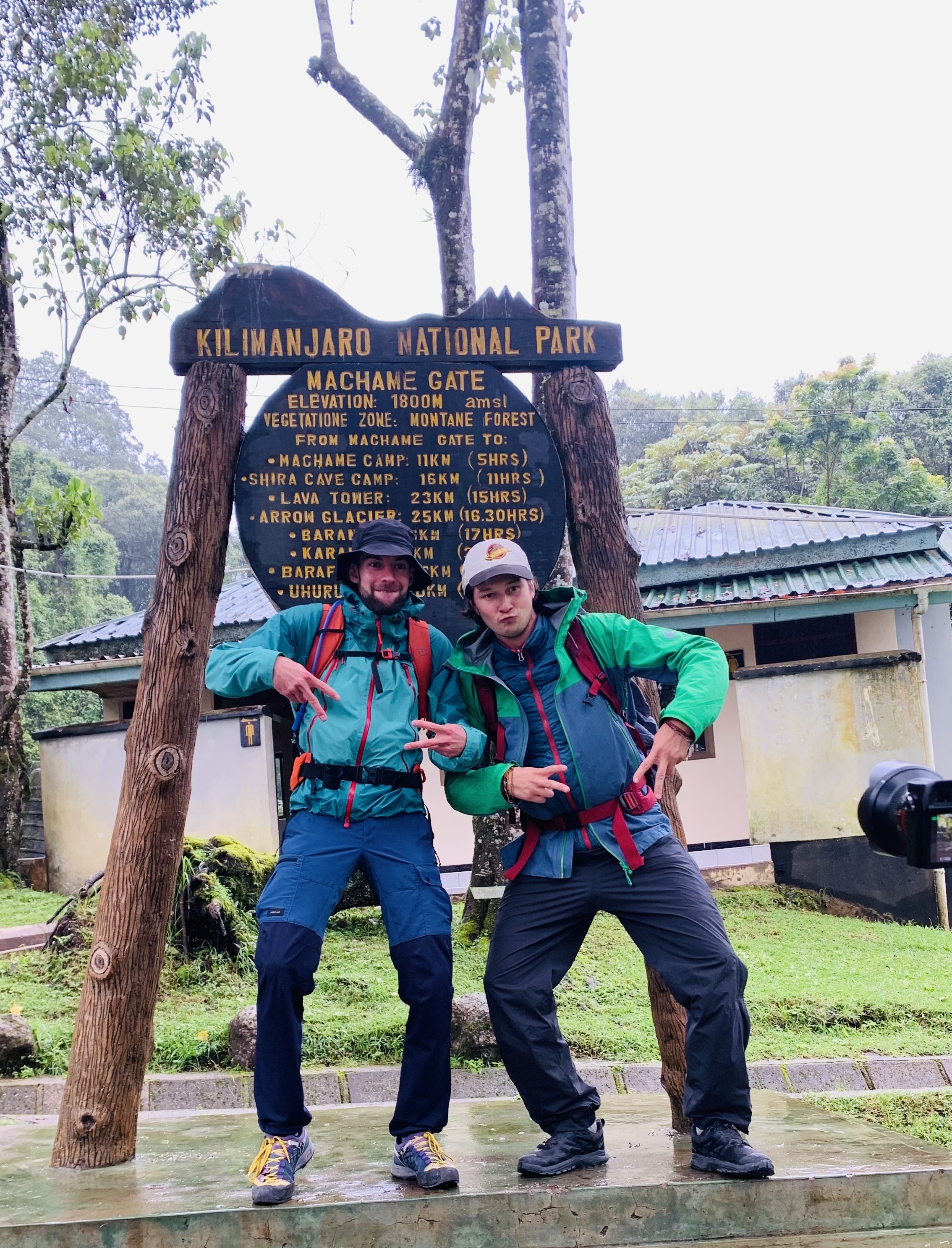
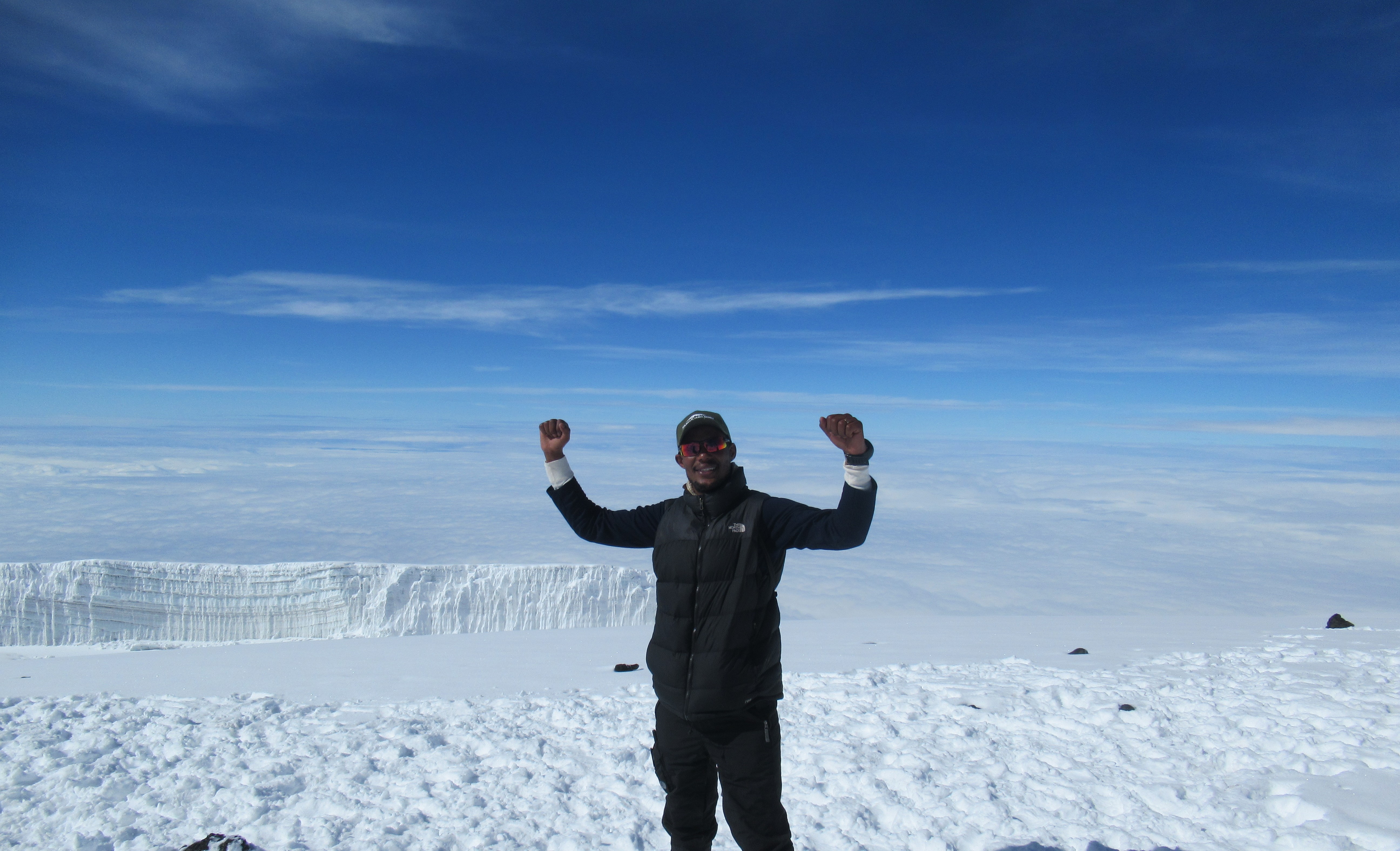
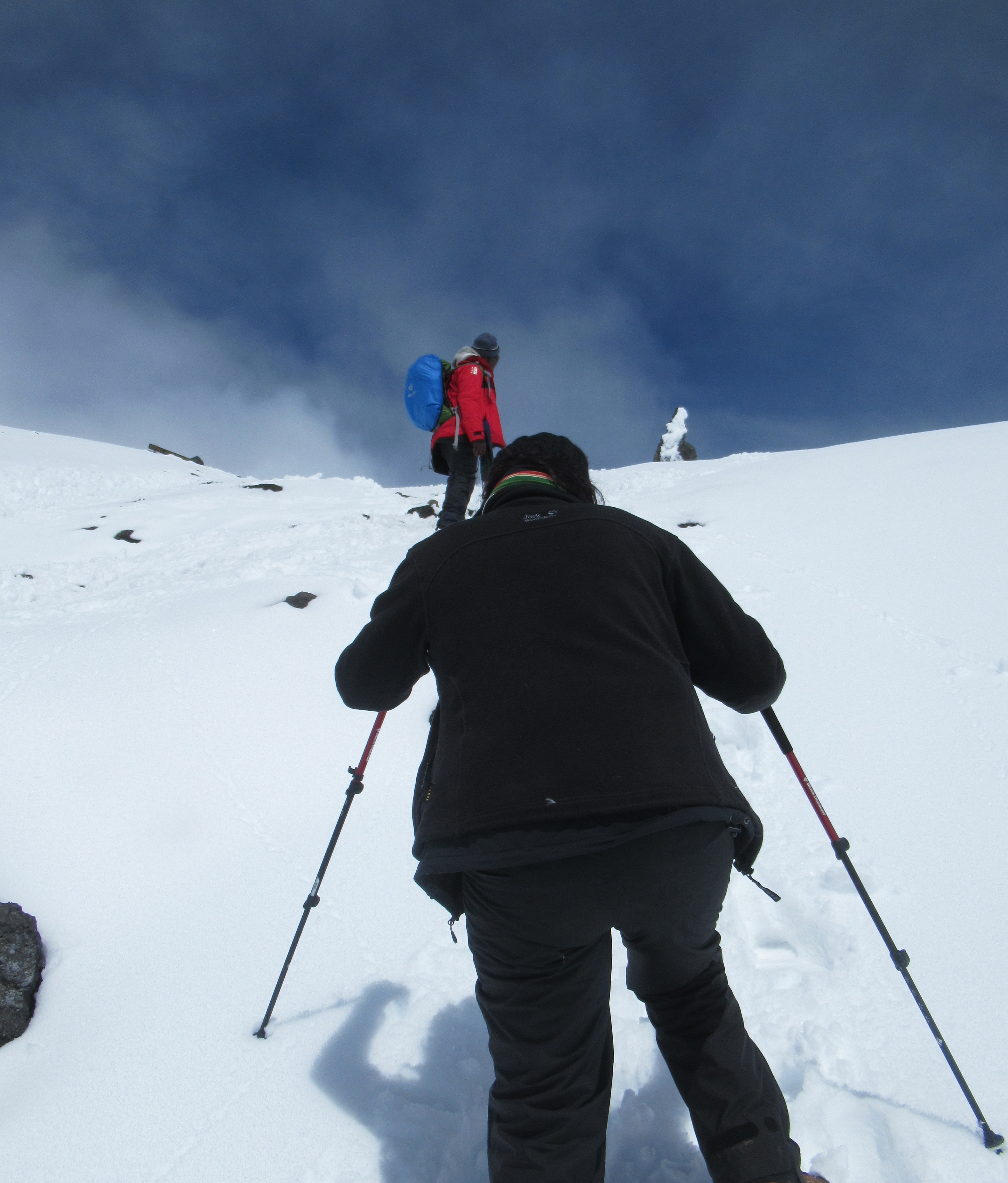
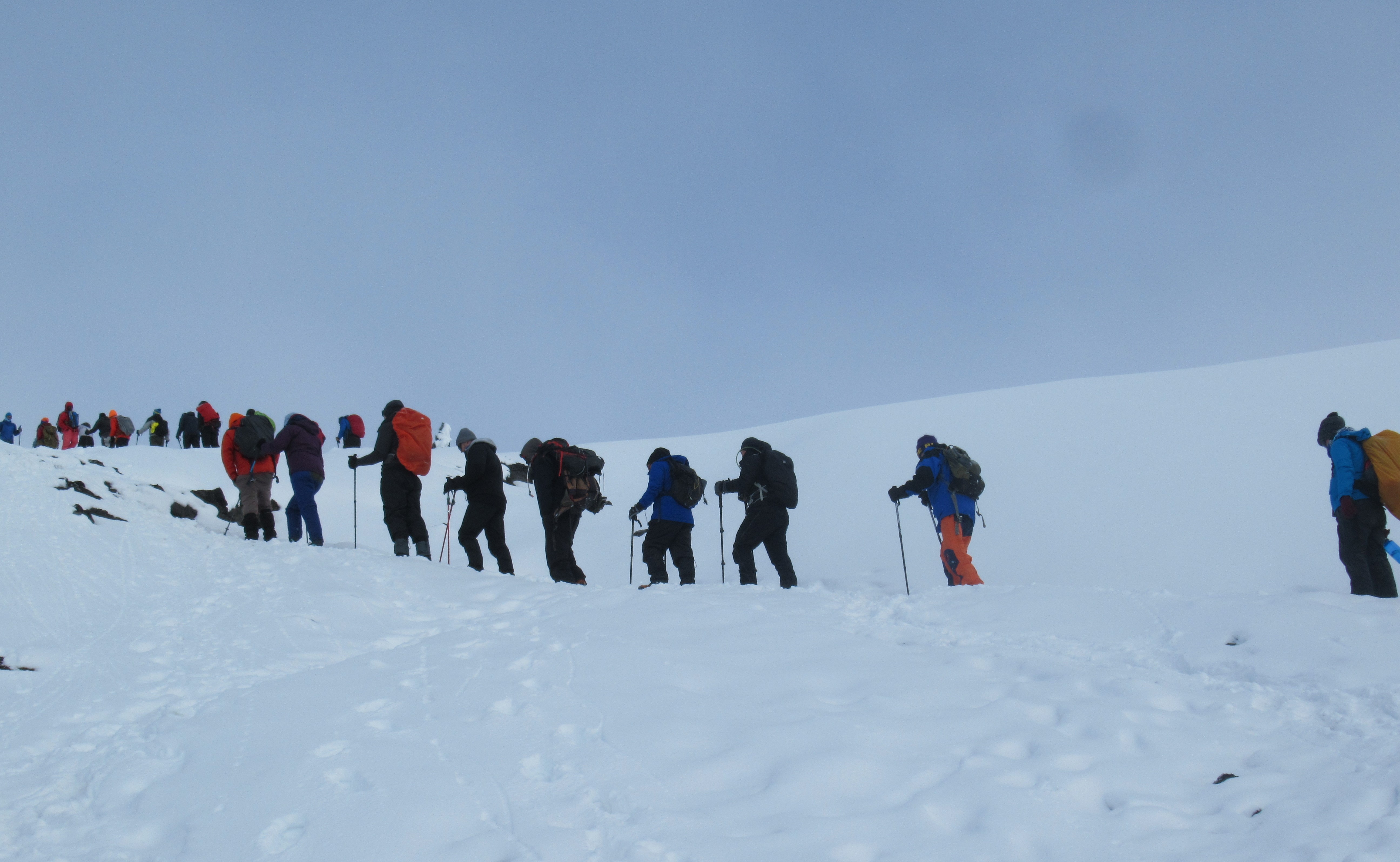
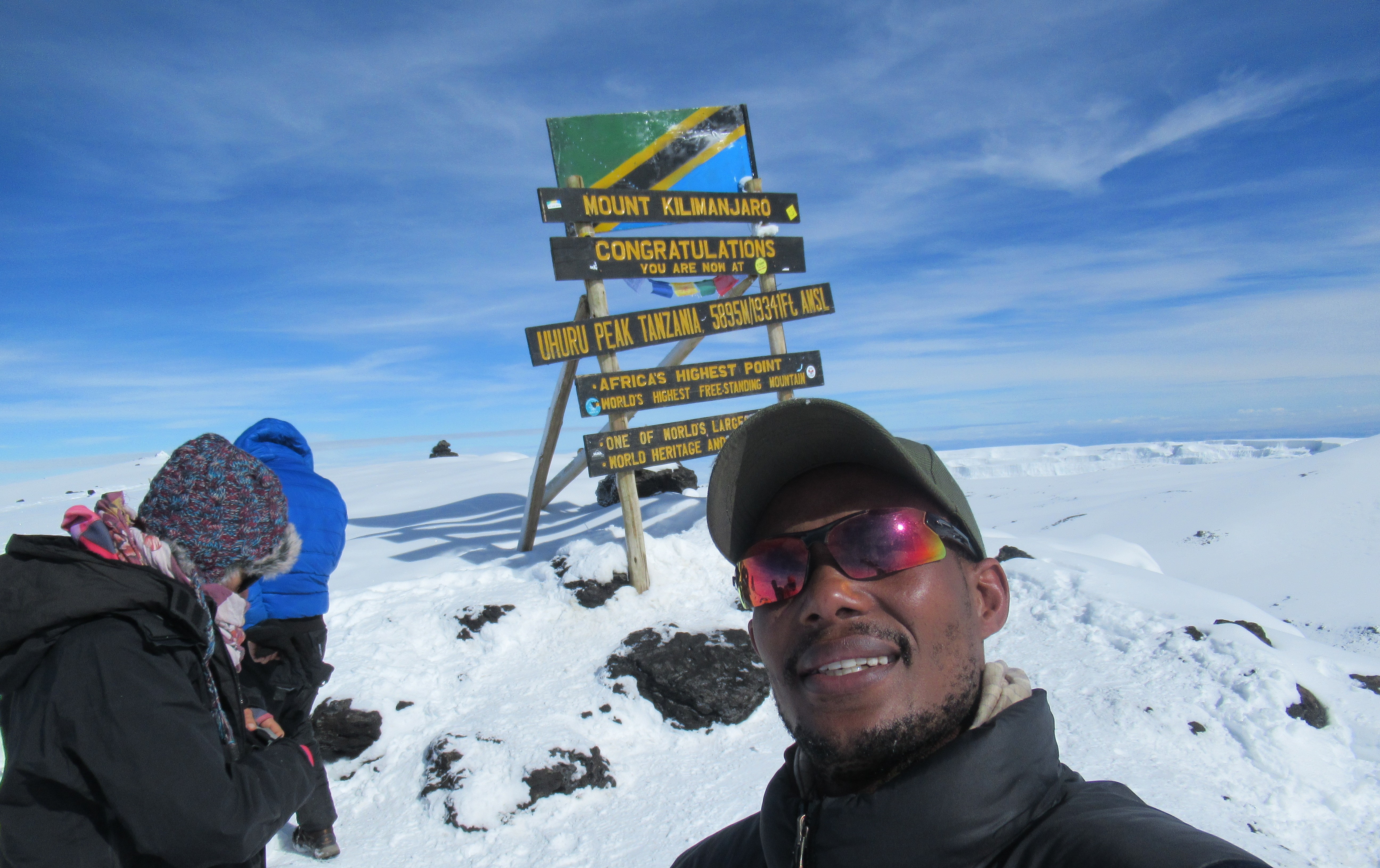
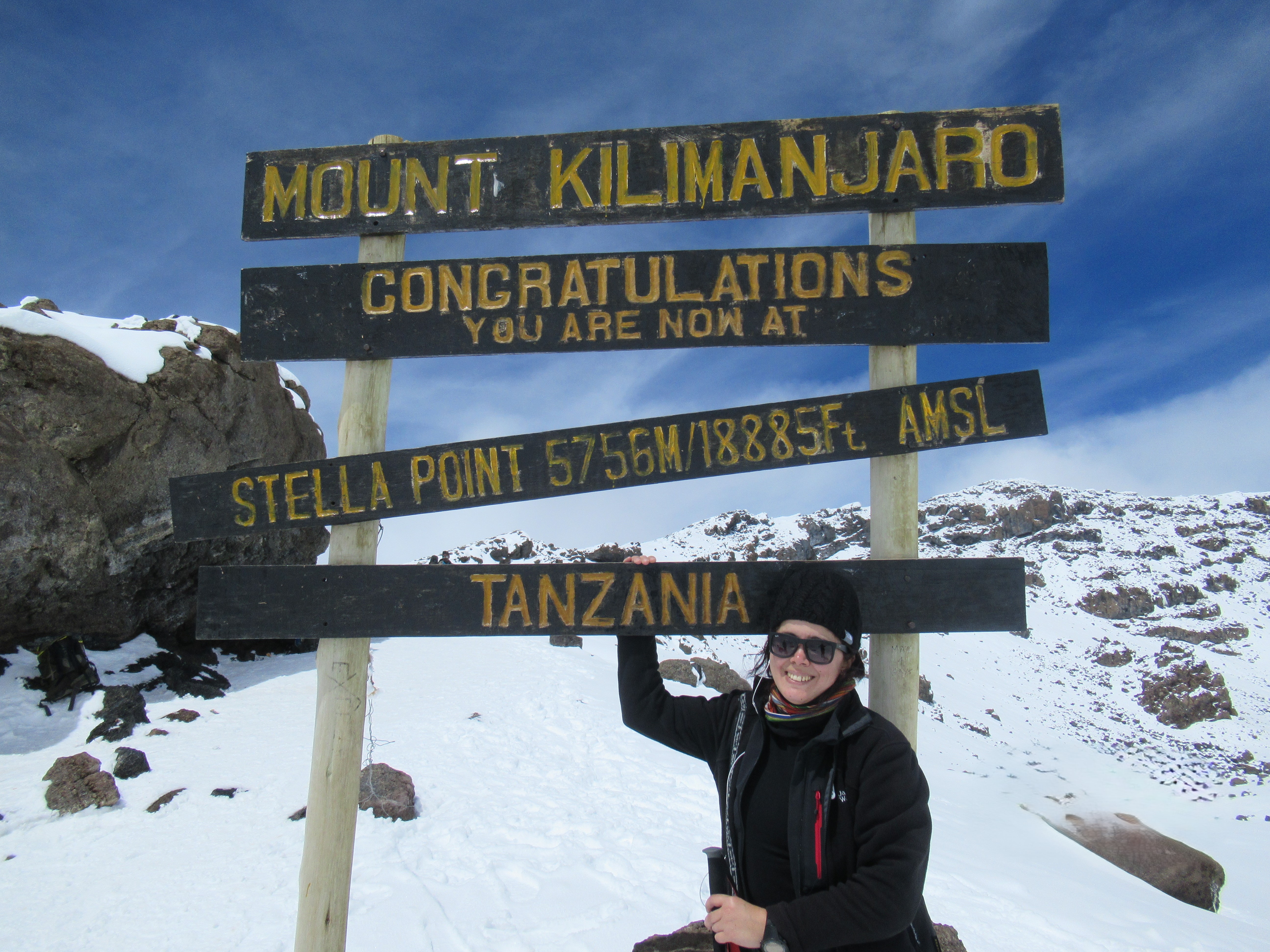
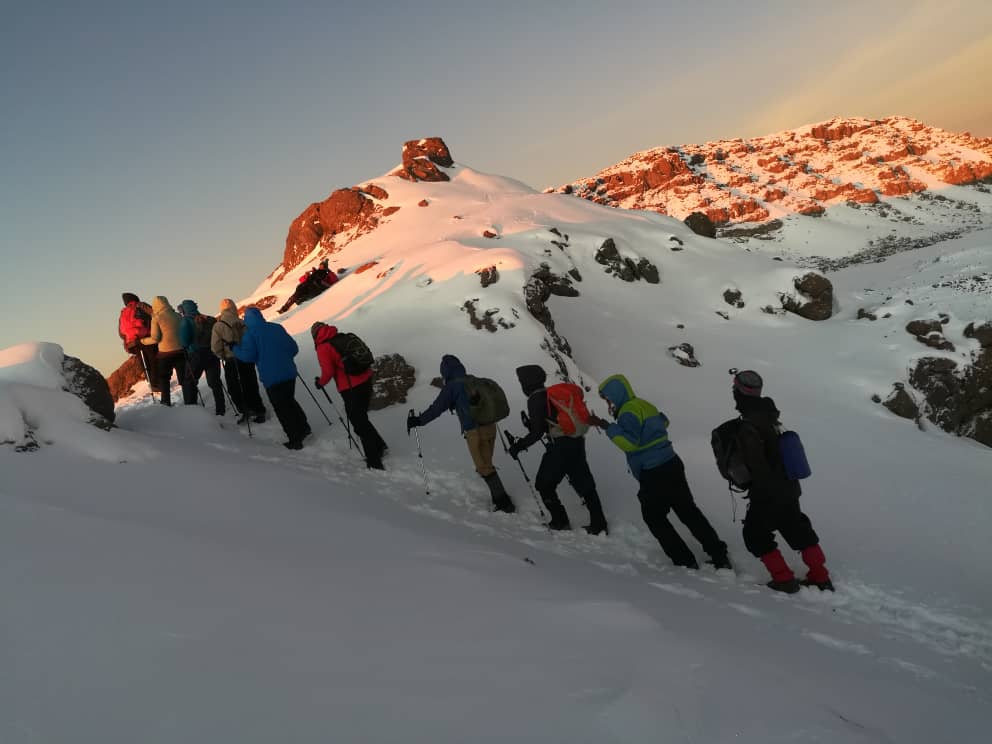
Mount Kilimanjaro, standing proudly at 5,895 meters above sea level, is not only the highest mountain in Africa but also one of the most iconic peaks in the world. This breathtaking dormant volcano offers a once-in-a-lifetime opportunity for trekkers and adventure seekers to conquer its summit, with its snow-capped peak visible from miles away. The journey to the top of Kilimanjaro takes you through diverse ecosystems, from lush rainforests to alpine deserts, and rewards you with panoramic views that will leave you in awe. Whether you're an experienced mountaineer or a novice climber, the well-established routes and expert guides make it an accessible challenge for anyone eager to take on this epic adventure. The sense of accomplishment upon reaching the summit is unparalleled, and the vibrant culture, rich wildlife, and stunning landscapes you experience along the way make the Kilimanjaro trek an unforgettable experience. Witness the changing landscapes and embrace the thrill of standing on top of Africa — it's more than just a hike; it's a life-changing journey!
Mount Kilimanjaro offers a range of exhilarating activities for adventurers and nature lovers alike. The most iconic experience is climbing to the summit, where trekkers can choose from various routes like Marangu, Machame, or Lemosho, each offering its own unique experience and stunning views. The trek takes you through diverse landscapes, from lush rainforests to barren highlands, providing a constantly changing and awe-inspiring backdrop. Reaching the summit is a life-changing achievement, with panoramic views of the surrounding landscapes that make the journey truly unforgettable.
For those not venturing to the summit, there are day treks around the lower slopes to enjoy the beauty of the mountain’s flora and fauna. These treks provide a more leisurely experience while still offering incredible views of the mountain and its diverse ecosystems. Hikers can explore the lush rainforests, where they may spot exotic wildlife, including colobus monkeys and various bird species, adding a touch of adventure without the challenge of the full summit trek.
Wildlife viewing is another highlight of Mount Kilimanjaro, particularly in the lower forested areas. Trekkers often encounter animals such as elephants, buffalo, and a variety of birds. For a more cultural experience, you can visit the Chaga village at the base of the mountain, where you’ll get a fascinating insight into the traditions and daily life of the indigenous people who have lived in the shadow of Kilimanjaro for centuries.
For a more relaxed adventure, consider exploring the surrounding coffee farms, where you can learn about the coffee production process and enjoy a fresh cup of Kilimanjaro coffee. Additionally, there are numerous viewpoints around the mountain offering breathtaking views of the peak, perfect for photography or simply soaking in the beauty of one of Africa’s most iconic landmarks. Whether you’re an avid climber or someone who simply enjoys the natural beauty of the region, Mount Kilimanjaro offers something for every traveler.
The best times to visit Mount Kilimanjaro are during the dry seasons, which typically run from June to October and December to February. These months offer the most favorable weather conditions for climbing, with clear skies, minimal rainfall, and moderate temperatures. The dry weather makes the trails less slippery and more manageable, especially for trekkers aiming to summit.
June to October is the peak climbing season, with ideal conditions for those attempting the summit. However, it is also the most popular time, so it can be busier, and you might encounter more climbers on the trails.
December to February offers a quieter experience compared to the mid-year months. This period is still dry, though temperatures may be warmer, making it a great choice for trekkers seeking a less crowded adventure while enjoying favorable weather conditions.
While the dry seasons are ideal for trekking, it’s important to note that March to May is the rainy season, which can make the trails slippery and challenging. This period is generally avoided for summit attempts, but if you enjoy less crowded conditions and don’t mind the rain, this can still be a good time to explore the lower slopes
